The unique shape of a storage dome can make material buildup especially difficult to remove. Hardened material can accumulate along dome walls and around fluidizing equipment, restricting airflow, reducing usable storage capacity, and interfering with material flow.
USA Dome Service uses specialized equipment and professional cleaning methods to remove hardened material buildup and restore dome performance. Thorough cleaning helps improve airflow and material discharge while maximizing storage capacity and reducing the risk of unplanned production interruptions.
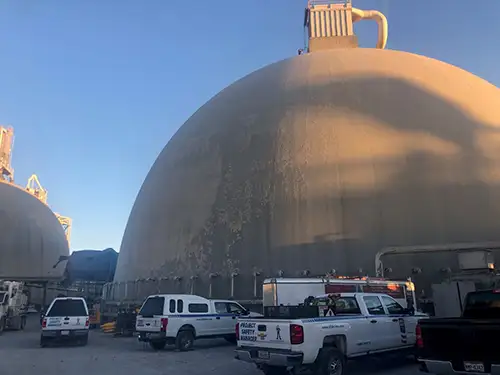
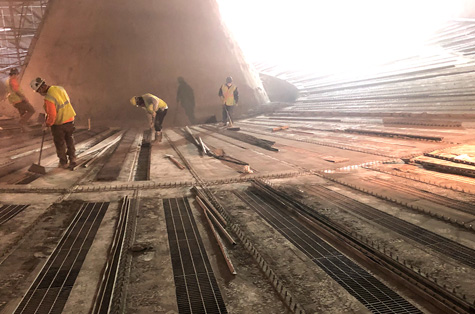
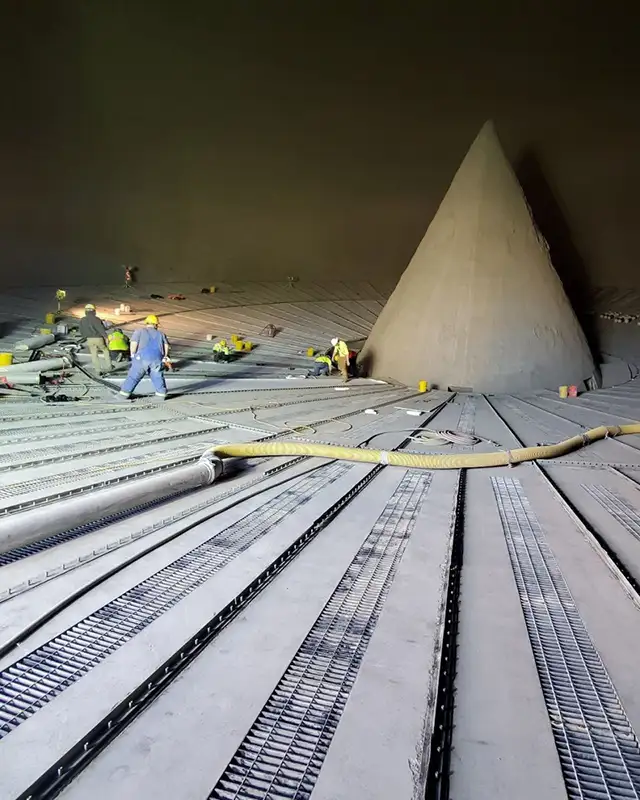
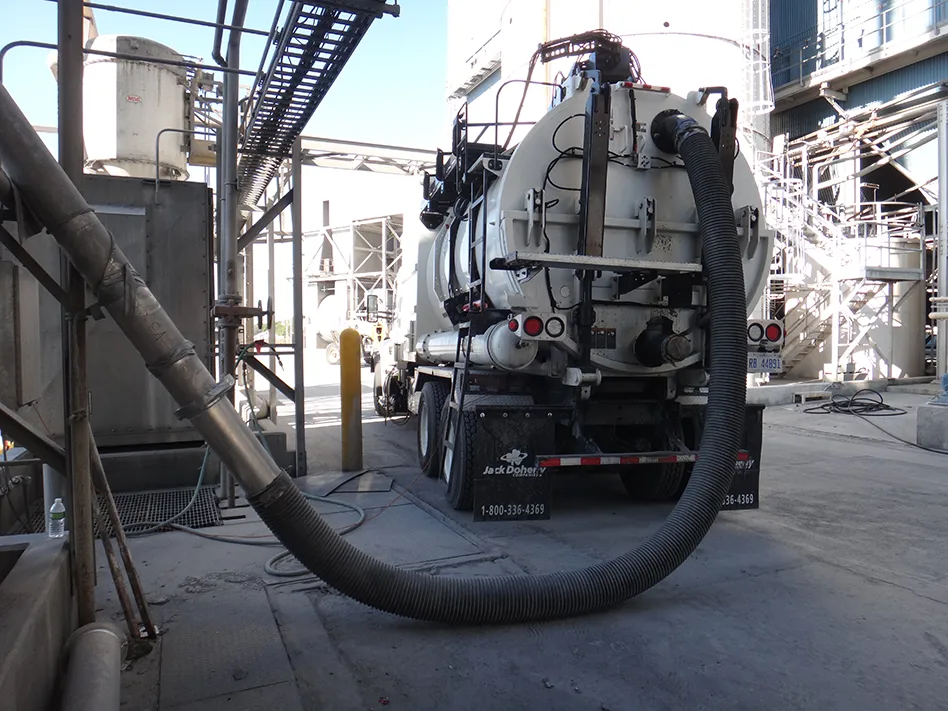
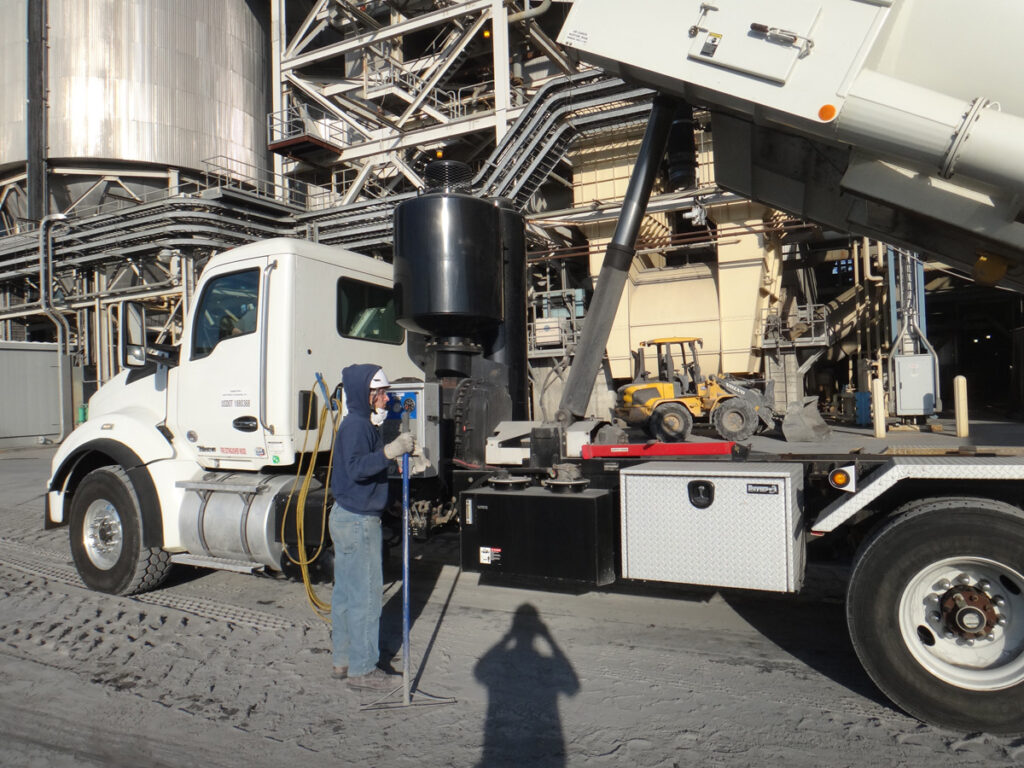
Removing buildup from dome walls is only part of the cleaning process. USA Dome Service provides industrial vacuum truck services to collect and remove material recovered during dome cleaning, helping facilities complete large-scale cleanouts efficiently and prepare the dome for inspection, maintenance, or return to service.
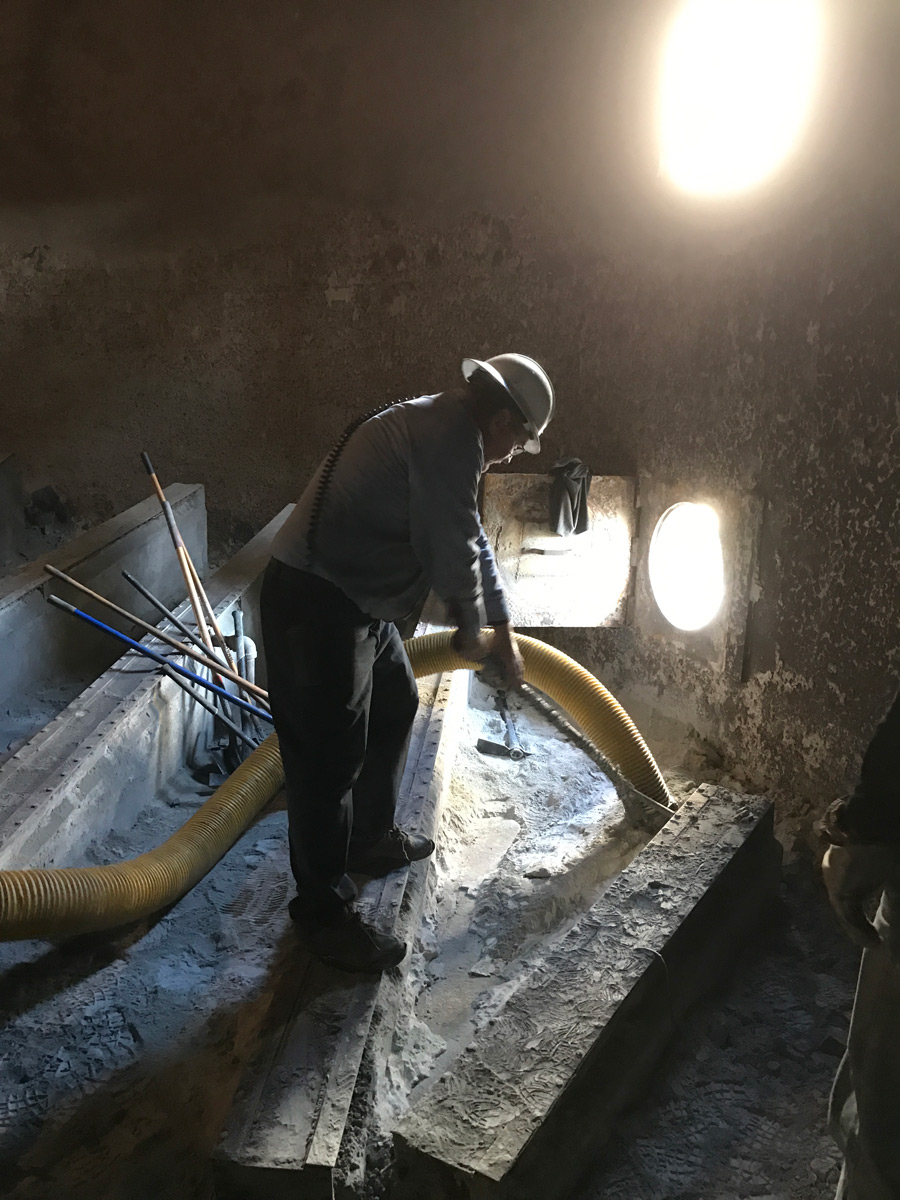
Once a storage dome is emptied and thoroughly cleaned, it provides an ideal opportunity for a professional inspection. USA Dome Service can evaluate interior conditions, fluidizing equipment, and other components to identify deterioration, corrosion, equipment wear, or maintenance needs before they contribute to material flow problems or unplanned downtime.
Regular dome inspections can help uncover conditions that affect material flow, airflow, storage capacity, and overall performance. Findings can also help facilities prioritize maintenance and determine when repairs or equipment replacement may be needed.
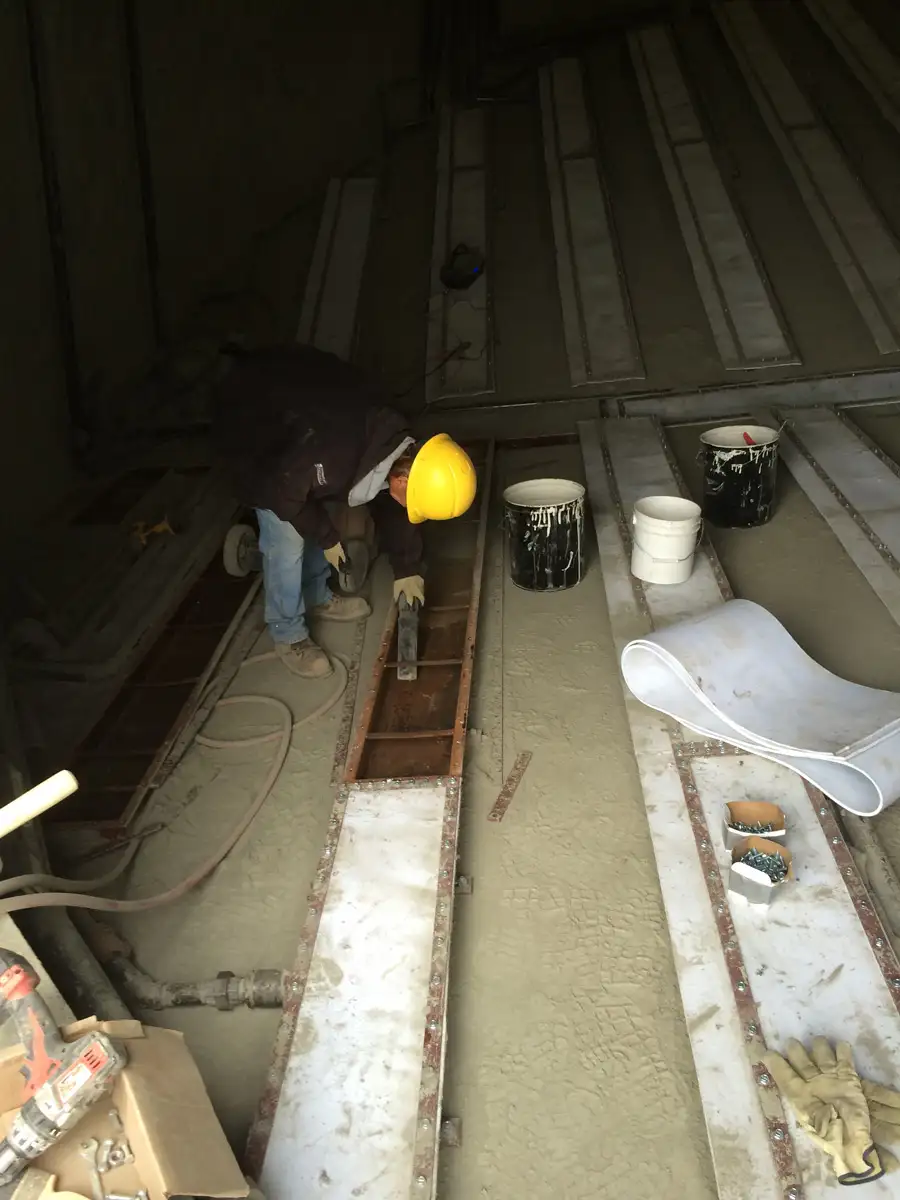
Material flow problems are not always caused by buildup alone. Worn or damaged air pads, corroded fasteners, blocked airways and other fluidizing equipment issues can restrict airflow and prevent stored material from discharging properly.
USA Dome Service provides dome maintenance services to address these conditions and help keep fluidizing systems operating effectively. Cleaning and inspection provide an ideal opportunity to identify worn components, complete necessary maintenance, and make repairs before the dome is returned to service.
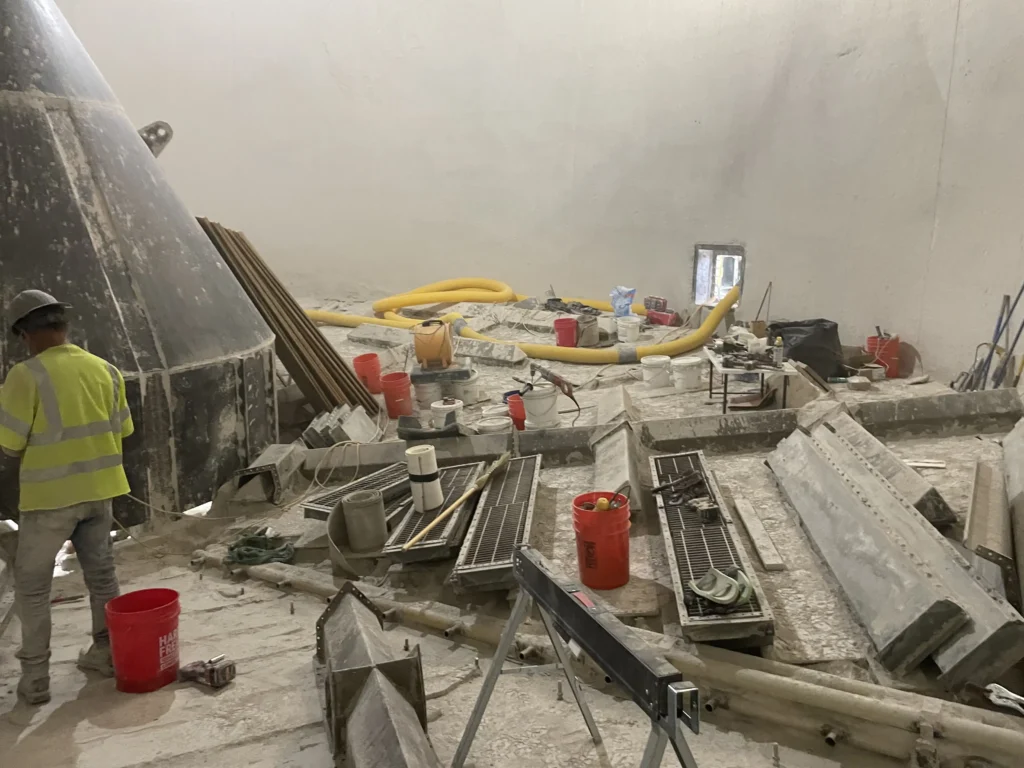
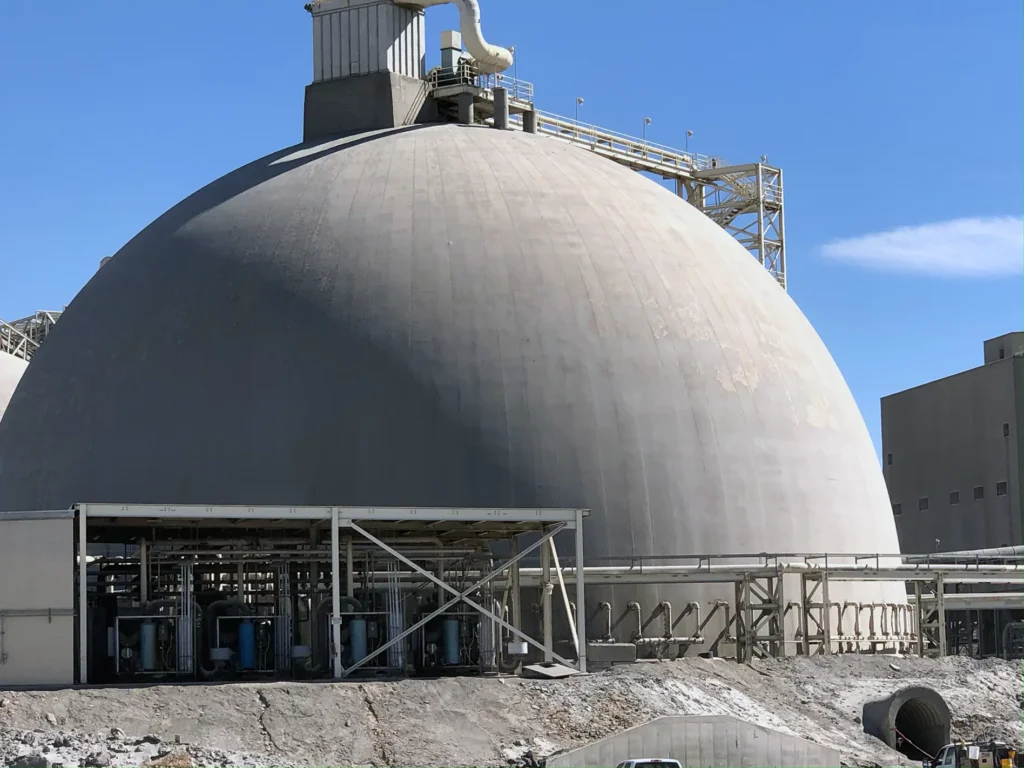
Dome cleaning removes hardened material buildup from the interior walls and other areas of a bulk storage dome. Over time, accumulated material can reduce usable storage capacity, restrict airflow, interfere with material flow, and contribute to production problems. Professional dome cleaning helps restore capacity, improve material discharge, and keep the storage system operating efficiently.
There is no single cleaning schedule for every storage dome. Cleaning frequency depends on the material being stored, operating conditions, moisture exposure, material flow, and the amount of buildup inside the dome. Facilities should monitor dome performance and schedule professional cleaning when buildup begins affecting storage capacity, airflow, or material discharge.
Professional dome cleaning uses specialized equipment and cleaning methods to break up and remove hardened or packed material from dome walls and other difficult-to-reach areas. Because the size and shape of storage domes can make buildup especially challenging to remove, the appropriate cleaning method depends on the stored material and conditions inside the dome. Vacuum truck services may also be used to remove recovered material during the cleanout process.
A thorough inspection is especially valuable after a storage dome has been emptied and professionally cleaned. With accumulated material removed, trained professionals can better evaluate interior conditions, air pads, fluidizing equipment, airways, troughs, fasteners, grating, and other components for corrosion, deterioration, or maintenance needs.
Poor material flow can result from hardened material buildup, restricted airflow, blocked airways, worn or damaged air pads, or problems with other fluidizing equipment. These conditions can prevent material from fluidizing and discharging properly, reducing storage efficiency and potentially contributing to production delays. Cleaning, inspection, and maintenance can help identify and correct the source of material flow problems.
After a dome is cleaned, fluidizing equipment and other accessible components should be inspected for conditions that could affect performance. Depending on what is found, maintenance may include repairing or replacing air pads and filter cloth, cleaning airways and troughs, replacing corroded fasteners or grating, and addressing other worn or damaged components before the dome is returned to service.